Attractive Curiosities
Civitavecchia
Civitavecchia nasce in epoca etrusca, ma fu l’imperatore Traiano a darle grande importanza nel II secolo d.C., costruendo un porto destinato a servire Roma. Da allora la città è stata il principale sbocco marittimo della Capitale, ruolo che mantiene ancora oggi.

Civitavecchia has its roots in the Etruscan era, but it gained prominence in the 2nd century AD under Emperor Trajan, who built an important port to serve the city of Rome. Ever since, Civitavecchia has been Rome’s main maritime gateway, a role it proudly continues to play today.
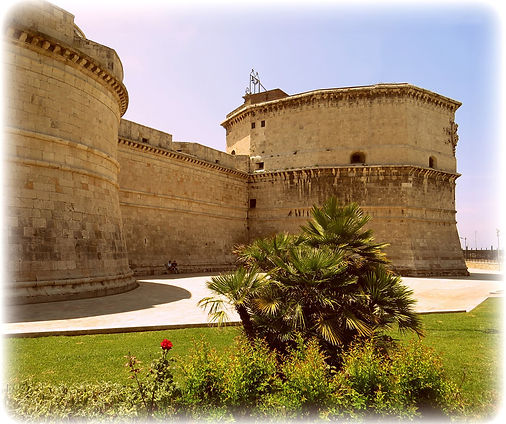
Nel Medioevo Civitavecchia passò sotto il controllo del Papato, che ne rafforzò le difese contro le incursioni piratesche. Simbolo di questo periodo è il Forte Michelangelo, iniziato da Bramante e completato nel Cinquecento, una delle opere più importanti della città.
Nei secoli successivi Civitavecchia continuò a svilupparsi come porto commerciale e militare.
During the Middle Ages, Civitavecchia came under Papal rule, and its defenses were strengthened to protect the city from pirate raids. A symbol of this period is the Michelangelo Fortress, begun by Bramante and completed in the 16th century, one of the city’s most important landmarks.
In the following centuries, Civitavecchia continued to grow as a commercial and military port.
Durante la Seconda guerra mondiale subì pesanti bombardamenti che distrussero gran parte del centro storico, poi ricostruito nel dopoguerra.
Oggi Civitavecchia è uno dei principali porti crocieristici del Mediterraneo, punto di partenza per visitare Roma, la Tuscia e il litorale laziale, unendo storia antica, mare e vita moderna.
During the Second World War, Civitavecchia suffered heavy bombing that destroyed much of its historic center, which was later rebuilt in the post-war period.
Today, Civitavecchia is one of the Mediterranean’s leading cruise ports and an ideal gateway to Rome, the Tuscia region, and the Lazio coastline, where ancient history, the sea, and modern life come together.
