Attractive Curiosities
Roma

Roma nasce, secondo la tradizione, nel 753 a.C., quando Romolo fondò la città sulle rive del Tevere. In origine fu un piccolo villaggio, ma grazie alla sua posizione strategica divenne presto un importante centro di scambi.
According to legend, Rome was founded in 753 BC by Romulus on the banks of the Tiber River. What began as a small settlement quickly developed into a major center of trade, thanks to its strategic location.
Dopo il periodo monarchico, Roma divenne una Repubblica (509 a.C.), governata da magistrati e dal Senato. In questi secoli conquistò gran parte dell’Italia e del Mediterraneo, imponendosi come grande potenza militare e politica.
Nel 27 a.C. iniziò l’Impero con Ottaviano Augusto. Roma visse un lungo periodo di splendore, costruendo strade, acquedotti e monumenti, e diffondendo il diritto e la cultura romana in Europa, Africa e Asia.
After the period of monarchy, Rome became a Republic in 509 BC, governed by elected officials and the Senate. During these centuries, the city expanded across Italy and the Mediterranean, establishing itself as a great military and political power.
In 27 BC, the Roman Empire began under Emperor Augustus. Rome entered a long era of prosperity, building roads, aqueducts, and monumental landmarks, while spreading Roman law and culture throughout Europe, Africa, and Asia.
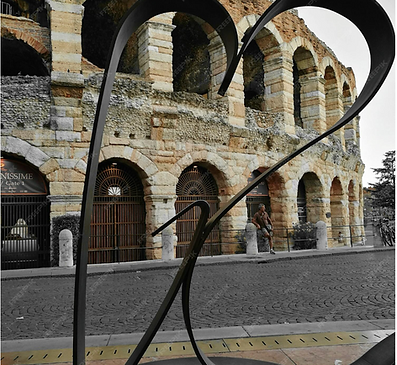

Dal IV secolo d.C. l’Impero iniziò a indebolirsi fino alla caduta dell’Impero Romano d’Occidente nel 476 d.C.. Roma rimase però un centro fondamentale della cristianità, diventando sede del Papato.
Attraverso il Medioevo, il Rinascimento e l’età moderna, Roma ha continuato a trasformarsi, fino a diventare nel 1871 la capitale d’Italia. Oggi è una città unica, dove millenni di storia convivono nel presente.
From the 4th century AD, the Empire began to decline, leading to the fall of the Western Roman Empire in 476 AD. Rome, however, remained a key center of Christianity, becoming the seat of the Papacy.
Through the Middle Ages, the Renaissance, and the modern era, Rome continued to evolve, eventually becoming the capital of Italy in 1871. Today, it is a unique city where thousands of years of history live side by side with the present.
Via delle Terme di Tito è in una posizione Strategica nel cuore dell'antica Roma,a pochi passi da alcuni dei luoghi storici e culturalmente più importanti della città :
Terme di Tito, Colosseo, Foro Romano e Palatino, Parco del Colle Oppio e Domus Aurea
Oppio Caffè e Ristoranti Locali e Tipici
Staying in Via delle Terme di Tito means living Rome at its most authentic. Surrounded by history, greenery, and local life, this unique location allows guests to explore the Eternal City on foot, from the Colosseum to peaceful parks and traditional cafés.
